Literacy Beyond Reading: Supporting Comprehension and Communication in the Classroom
This International Literacy Day we look at the importance of comprehension. Words on a page are more than just letters strung together. They hold meaning, shape thoughts, and create connections. Yet, many students – especially those with language or learning needs – struggle with comprehension, even if they can decode words fluently.
So how do we help students move beyond decoding to truly understanding?
As Mary Thompson, Dyslexia Specialist and SaLT at Words First, explains:
“We often see students who can read the words but aren’t grasping the meaning. It’s not about reading harder books – it’s about supporting students to become active thinkers while they read.”
In classrooms filled with diverse learners – many of whom speak different home languages or have additional needs – this becomes even more essential. Building comprehension and communication skills empowers every learner to access the curriculum and engage meaningfully with the world around them.
Supporting Comprehension
Understanding isn’t just about recognising words – it’s about connecting ideas, asking questions, and making meaning.
Here are some classroom strategies that can support deeper comprehension:
- Activate prior knowledge – Help students link new ideas to what they already know. This builds relevance and increases engagement.
- Encourage discussion and questioning – Curiosity drives understanding. Make space for students to wonder out loud and explore answers collaboratively.
- Visualise and infer – Support students to build a “mind movie” of what they’re reading. Use tools like story maps or drama techniques (like freeze frames) to practise inferencing.
- Summarise key ideas – Ask students to explain what they’ve learned in their own words. This helps consolidate new concepts.
“Instead of just asking, ‘What happened?’ we can go further – ‘Why did it happen?’ or ‘How did the character feel?’ These questions stretch thinking and strengthen comprehension,” says Mary.
Graphic organisers, scaffolding complex texts, and creating opportunities for reflection all help learners make meaningful connections and build confidence.
Building Language Skills in the Classroom
Language underpins every aspect of learning – from forming ideas to understanding lessons to participating in discussions. To support language development, structured strategies are key.
At Words First, we often use the VIVID-Q framework in schools:
VIVID-Q: A Six-Step Approach to Language Support
- Vocabulary – Teach key words explicitly and revisit them often. Explore meaning, usage, and word structure (prefixes, roots, suffixes) to deepen understanding.
- Instructions – Break down tasks. Use checklists, visuals, and repetition. Always check for understanding.
- Visuals – Support spoken and written language with images. Diagrams, story maps, and word banks help students access and organise information.
- Insert Pauses – Give students processing time. Ten seconds can make all the difference. Peer rehearsal before answering builds confidence.
- Demonstrate – Model your thinking. Use ‘I do – we do – you do’ steps and think-aloud strategies to make learning visible.
- Questions – Ask purposeful questions to guide thinking and check comprehension. Open-ended questions encourage reasoning and language use.
“When we model tasks and give clear scaffolding, we’re not doing the work for students, we’re showing them how to do it for themselves,” says Mary.
These tools aren’t just for children with identified needs. They benefit every learner and can be seamlessly integrated into everyday teaching.
The Power of Reading Aloud
Reading aloud isn’t just for early years. Even older students benefit from hearing fluent reading, richer vocabulary, and more complex sentence structures.
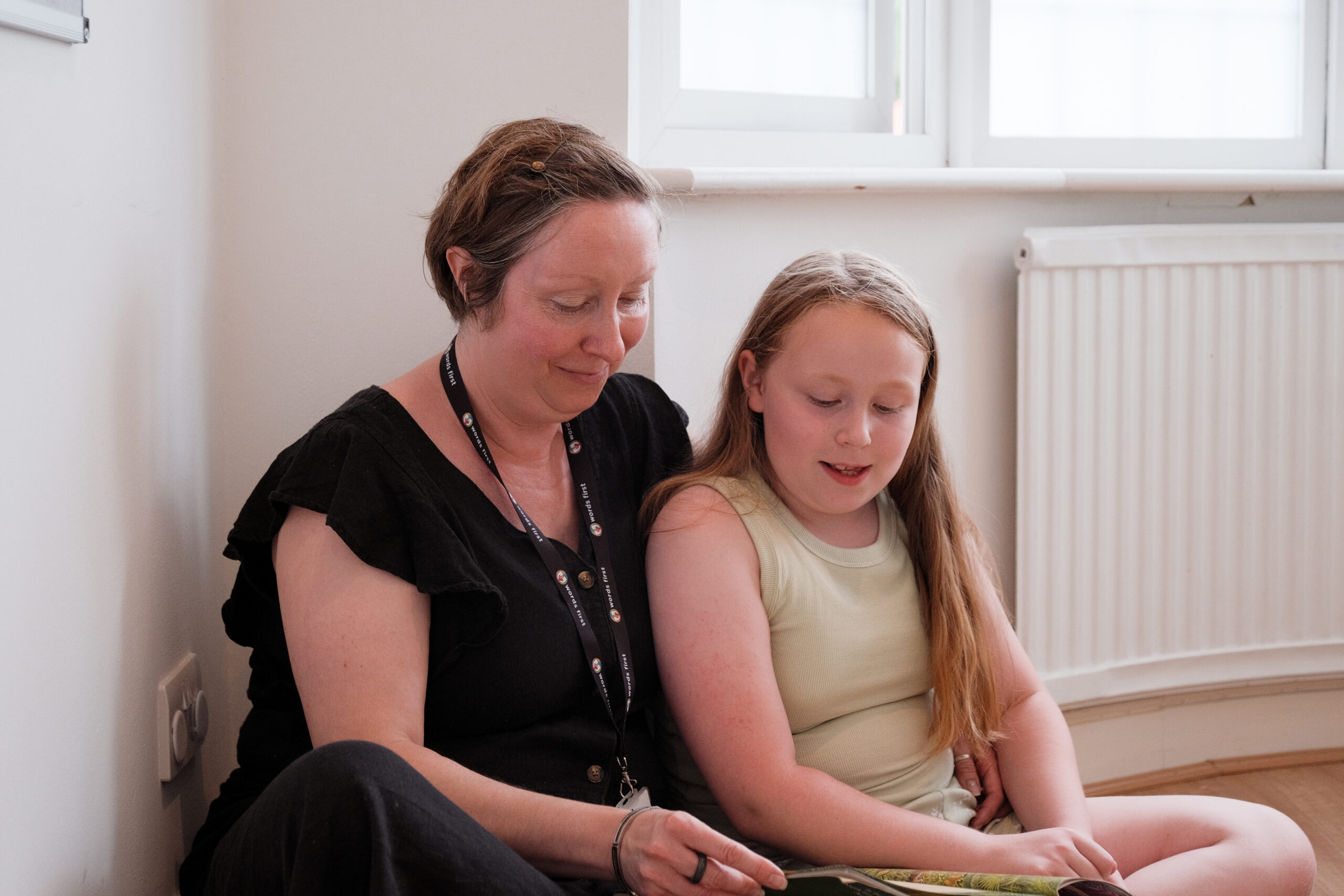
Pairing read-alouds with strategies like prediction, questioning, and discussion builds comprehension and oral language skills. And it creates shared moments around language and story.
“Reading aloud levels the playing field,” says Mary. “It gives all students access to language they might not encounter on their own – and it sparks curiosity.”
Final Thoughts
Strong language skills are about more than success in school – they’re the foundation for self-expression, connection, and confidence.
When we prioritise comprehension and communication in the classroom, we’re not just supporting literacy – we’re helping students find their voice.
At Words First, we believe that every child deserves the chance to be heard, understood, and empowered through language.