

Finger Gym for Handwriting
At Words First, we know that confident handwriting develops from strong foundations. Before children are expected to write fluently and for sustained periods, they need well-developed strength, stability, and coordination in the hands and fingers. Our therapists regularly support schools to build these underlying skills so that handwriting demands are achievable and accessible for all learners.
Resistance-based finger activities help prepare the hands for writing by increasing sensory feedback, joint awareness, and muscle activation. These short, targeted activities can be easily embedded into classroom routines and used as effective warm-ups before handwriting, fine motor tasks, or tool use.
Handwriting relies on efficient control of the small muscles in the hands and fingers. Before children can form letters with fluency and endurance, they need strength, stability, and coordination in their hands.
Activities that provide resistance through the fingers help prepare these muscles for writing by increasing sensory feedback, joint awareness, and muscle activation.
Resistance-based finger activities refer to tasks that apply pressure or force through the muscles and joints of the fingers. These activities are quick to complete, require minimal equipment, and work well as routine finger warm-ups before handwriting, fine motor tasks, or classroom tool use.
Why Resistance-Based Finger Activities Support Handwriting
Children with stronger fine motor skills are better able to:
- Maintain a functional pencil grasp
- Write for longer periods without fatigue
- Control letter formation and spacing
- Manage classroom fine motor tasks such as cutting, fastening, and page turns
Resistance through the fingers and wrists provides proprioceptive input. This supports body awareness, movement control, and readiness for the precise hand movements required for handwriting.
Finger Warm-Up Activities
1. Finger Push

Place the fingertips of one hand against the matching fingertips of the other hand. Press together and hold for a few seconds. Try this in front of the body, overhead, or behind the back.
2. Thumb Press Game
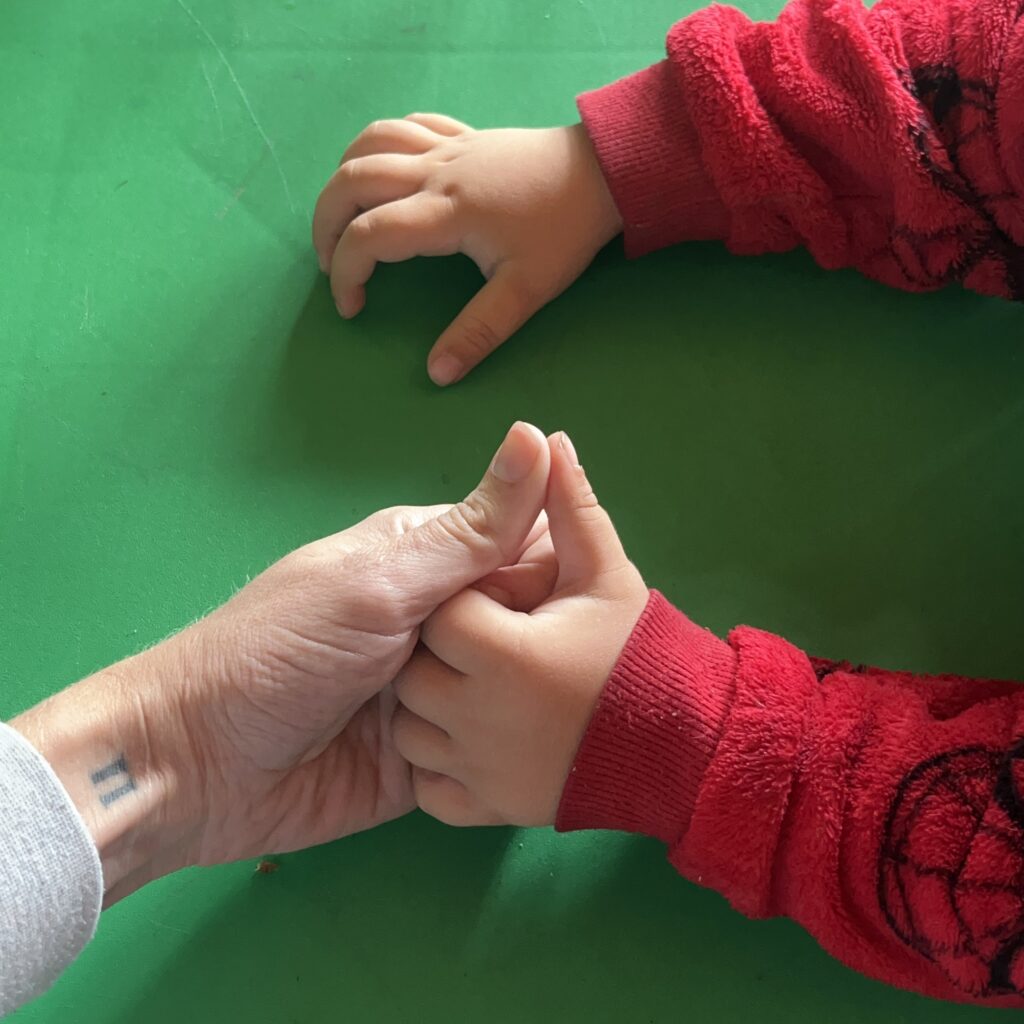
Make a fist, lock fingers with a partner, and leave thumbs free. Gently press thumbs against each other while trying to move around your partner’s thumb.
3. Fingertip Touch Sequence

Touch the thumb to each finger in turn. Start with slow, controlled movements, then increase speed. Repeat using firmer pressure at the fingertips.
4. Pinch and Pull

Form a circle between the thumb and index finger. Lock this with the opposite hand and gently pull apart. Repeat with each finger.
5. Piano Press

Place fingertips on a flat surface with fingers slightly curled. Press each fingertip down into the surface one at a time, like playing piano keys. Avoid locking the finger joints.
6. Dancing Fingers
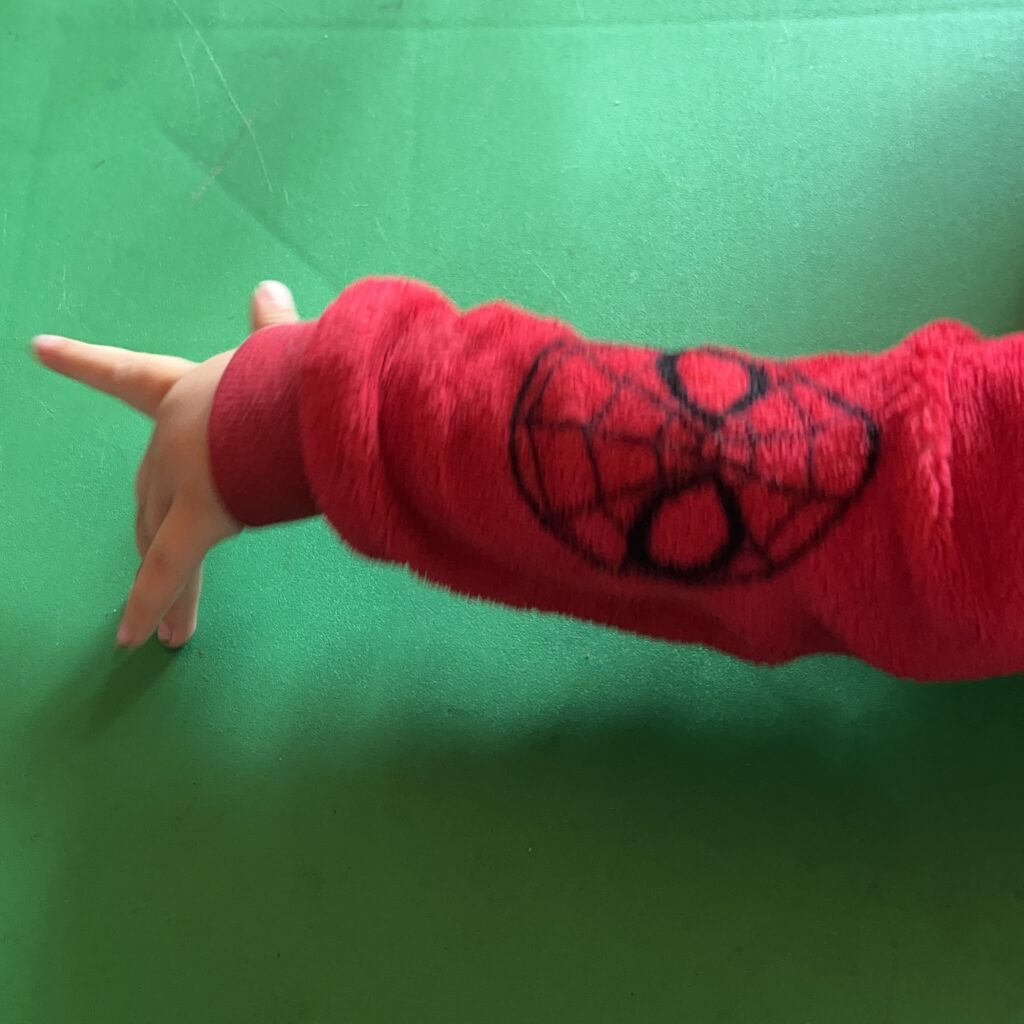
Stand the index and middle fingers upright on a surface and make them walk, jump, or dance. Include crossing the midline and alternating fingers to support coordination.
How to Use These Activities
- Select 3 to 5 activities as a warm-up before handwriting tasks
- Use during transitions or short movement breaks
- Suitable for individuals, small groups, or whole classes
- Repeat daily to support gradual skill development
Linking Finger Strength and Control to Handwriting Development
These activities support key foundations for handwriting success, including:
- Muscle activation for sustained grip
- Joint stability for controlled pencil movements
- Finger isolation for accurate letter formation
- Coordination for smooth stroke patterns
Including resistance-based finger activities before writing tasks can improve readiness, endurance, and overall handwriting performance.


