
Celebrating Neurodiversity: Supporting and Empowering Every Child
Words First is dedicated to celebrating neurodiversity and advocating for the needs of neurodivergent children and young people. During Neurodiversity Celebration Week, we are highlighting the importance of understanding, embracing, and supporting neurodivergent individuals in schools and beyond.
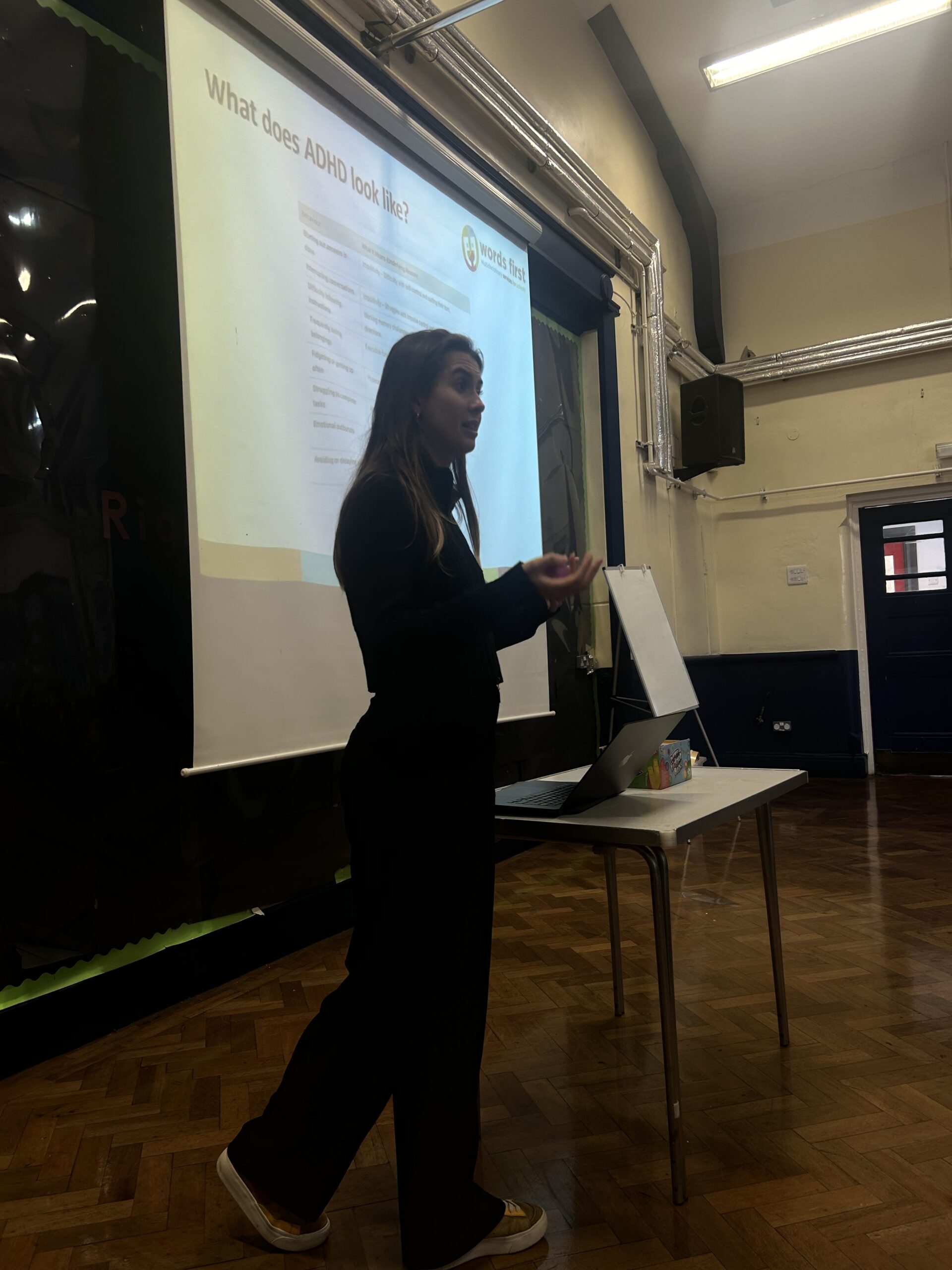
Recently, one of our Speech and Language Therapists (SaLTs) had the privilege of delivering talks in schools about neurodiversity. These sessions provided an incredible opportunity to challenge misconceptions, open up conversations, and create inclusive spaces where neurodivergent children can truly thrive.
What Did the Sessions Cover?
These discussions explored key topics such as:
- What is neurodiversity? Understanding that brains work in different ways, and that’s completely normal.
- What does neurodiversity look like? Recognising the diverse ways people think, learn, and communicate.
- Communication differences and how to connect with neurodivergent children and young people in ways that work for them.
- Autism and ADHD – How neurodivergent brains process the world differently and what that means for learning, socialising, and everyday life.
One of the biggest takeaways from these sessions was the importance of open conversations and community building.
“None of us have all the answers, but being willing to listen, learn, and adapt makes a world of difference,” says Terri Greene, a Words First SaLT with a special interest in Autism and neurodiversity.
Embracing the Total Communication Approach
The sessions also explored the Total Communication Approach, which embraces multiple methods of communication, including visuals, gestures, and alternative communication systems.
“Ensuring Autistic individuals have access to different communication methods allows them to express themselves in ways that feel natural to them,” explains Terri. “When schools and families implement modifications consistently, children and young people gain the stability they need to thrive.”
Emotional Regulation and Co-Regulation
Another crucial aspect of the discussions focused on emotional regulation and co-regulation. Many neurodivergent children require co-regulation—having a trusted adult guide them through overwhelming feelings—before they can regulate independently.
“Supporting children in developing self-regulation skills by modelling calm responses and guiding them through emotions is essential,” says Terri. “Encouraging parents and educators to focus on regulating, relating, and then reasoning ensures that children feel safe and supported before problem-solving or learning takes place.”
The Power of Peer and Parent Support
Beyond training staff, Words First also works closely with neurodivergent children and their families.
“Watching secondary school girls with neurodivergent brains share experiences, realise they’re not alone, and support each other is just magic,” shares Terri. “The same goes for parents—seeing them feel heard, validated, and empowered to support their children sparks so many important conversations about ‘What else can I do?’ or ‘What small changes will make a big difference?'”
Creating Meaningful Change
These talks aren’t just about raising awareness; they are about real, meaningful change. They aim to ensure that neurodivergent children and young people are met with understanding, respect, and the support they need to be their best selves.
“And honestly, getting to be a part of that? It’s the best!” says Terri.
As Neurodiversity Celebration Week is recognised, Words First continues to build environments where every child feels seen, heard, and supported. By embracing neurodiversity, they help create a world where all children can thrive.


