
Equipping a School Sensory Room: Guidance for All Budget Levels
Practical guidance from Words First SI-trained Occupational Therapists
Schools often tell us they have been given a set amount of funding to create a sensory room, with very little guidance on how to spend it well. Sensory spaces do not need to be expensive or filled with specialist equipment to be effective. What matters most is that items are chosen with purpose and used consistently.
Below, our SI-trained Occupational Therapists, Caron and Kim, outline what they would prioritise at three common budget levels: £300, £500, and £1,000. All items listed are non-specialist, easy to source, and appropriate for everyday school use.
If you were given £300
Focus: calming, comfort, and sensory regulation
At this level, the aim is to create a predictable, low-demand space that helps children settle their nervous systems.
Calming and visual regulation
Lava lamp or slow-moving visual lamp
Approx. £20–£35
Buy from: https://amzn.eu/d/6SFOoj8 or https://www.glow.co.uk

Supports visual regulation by providing slow, predictable movement, which can reduce feelings of unease and over-arousal.
Liquid timers or sand timers
Approx. £8–£15 each
Buy from: https://www.tts-group.co.uk
Helps children track time visually, supporting transitions and reducing uncertainty.
DIY sensory bottles
Approx. £5–£10 to make several
Materials from: https://www.hobbycraft.co.uk
Offers calming visual input and can be personalised for individual preferences.
Comfort and containment
Bean bag or floor cushions
Approx. £60–£110
Buy from:
https://www.tts-group.co.uk
https://www.sensorydirect.com

Provides deep pressure through body contact, supporting grounding and relaxation.
Pop-up sensory tent or den
Approx. £30–£40
Buy from: https://amzn.eu/d/3UObv6r
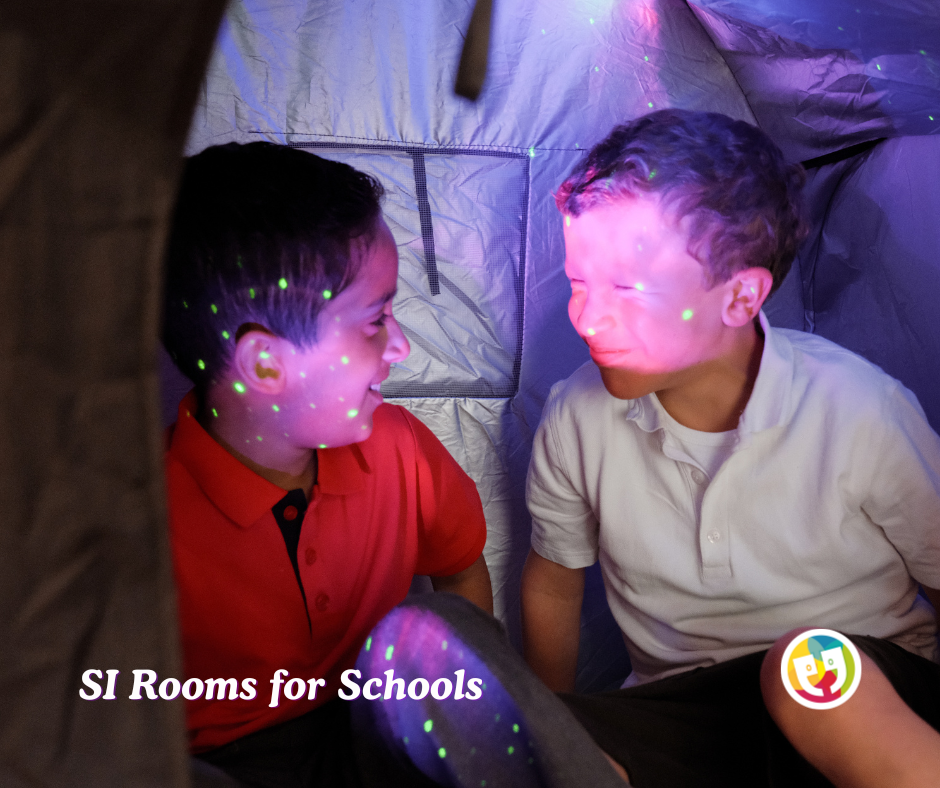
Creates a defined, enclosed space which helps reduce visual and auditory input and supports sensory regulation.
Estimated total spend: £250–£300
If you were given £500
Focus: supporting multiple sensory systems
This budget allows you to move beyond calm alone and begin supporting tactile, auditory, proprioceptive, and gentle movement needs.
Visual input
LED colour-changing lamp or light strips
Approx. £25–£50
Buy from: https://www.glow.co.uk
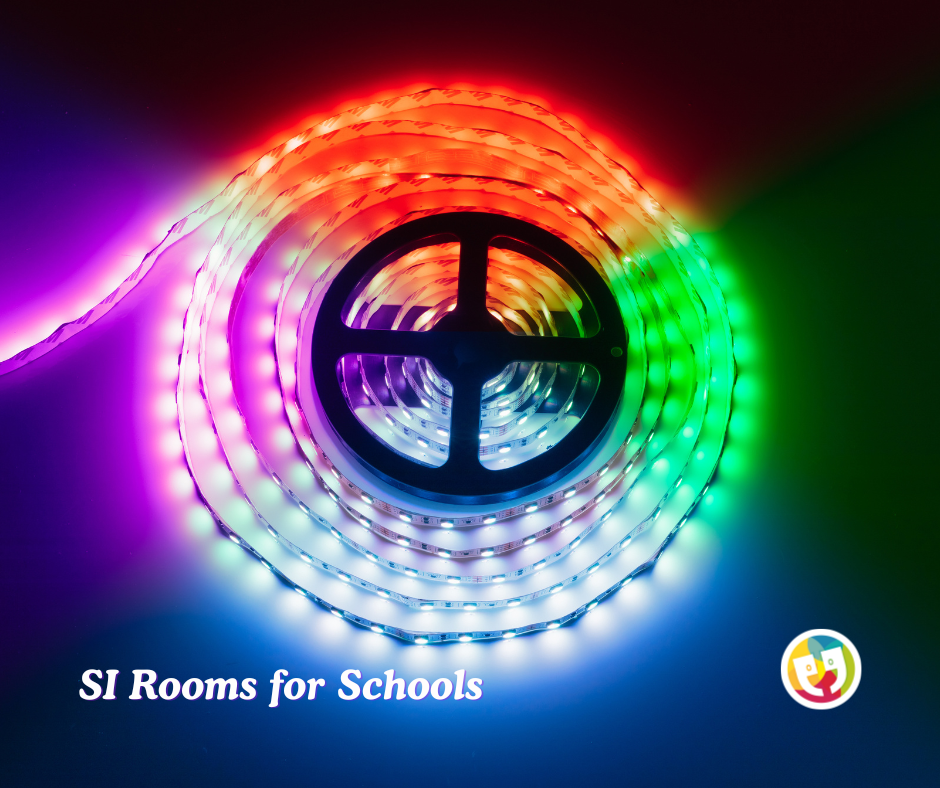
Supports visual engagement and can be adjusted to suit calming or alerting needs.
Tactile input
Sensory toolbox (stress balls, fidgets, stretch noodles)
Approx. £25–£40
Buy from: https://www.tts-group.co.uk
Supports tactile exploration and fine motor regulation.
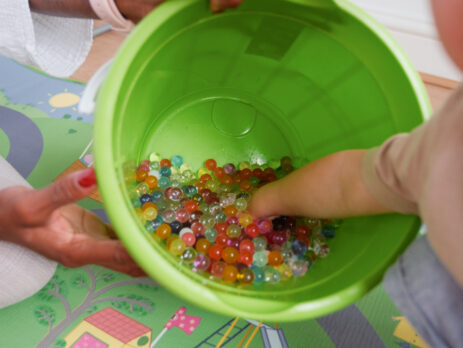
Sensory bins (rice, pasta, sand, water beads)
Approx. £15–£30
Materials from: https://www.tts-group.co.uk
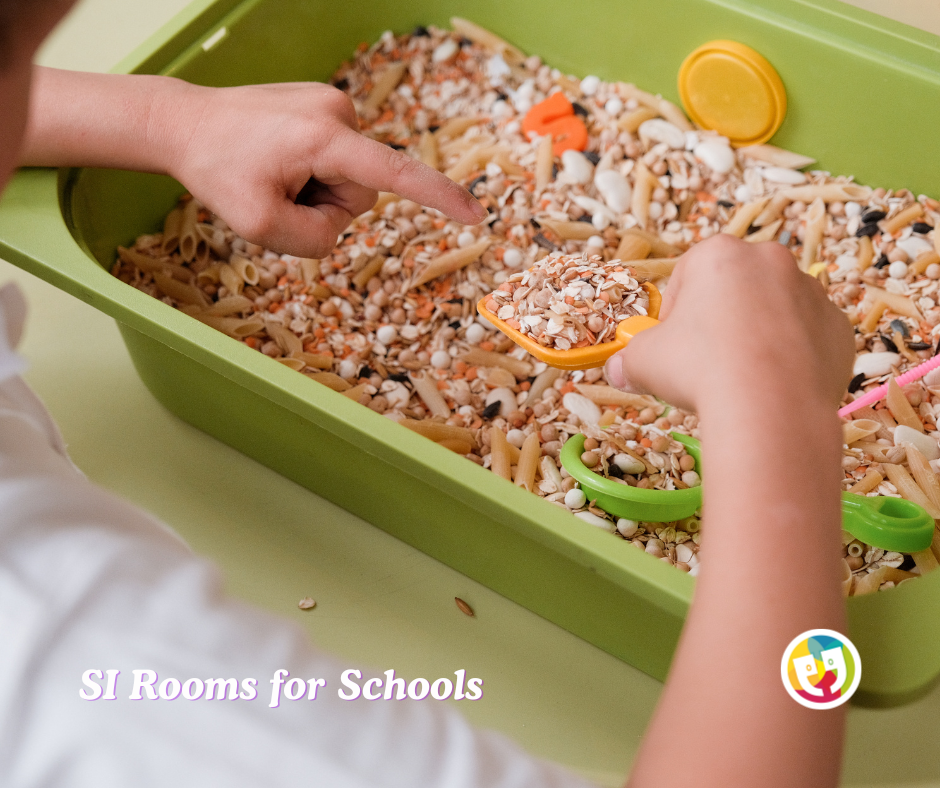
Provides hands-on tactile input that can be calming or organising for many children.
Auditory regulation
Noise-reducing headphones
Approx. £20–£40
Buy from: https://amzn.eu/d/1UehYIP
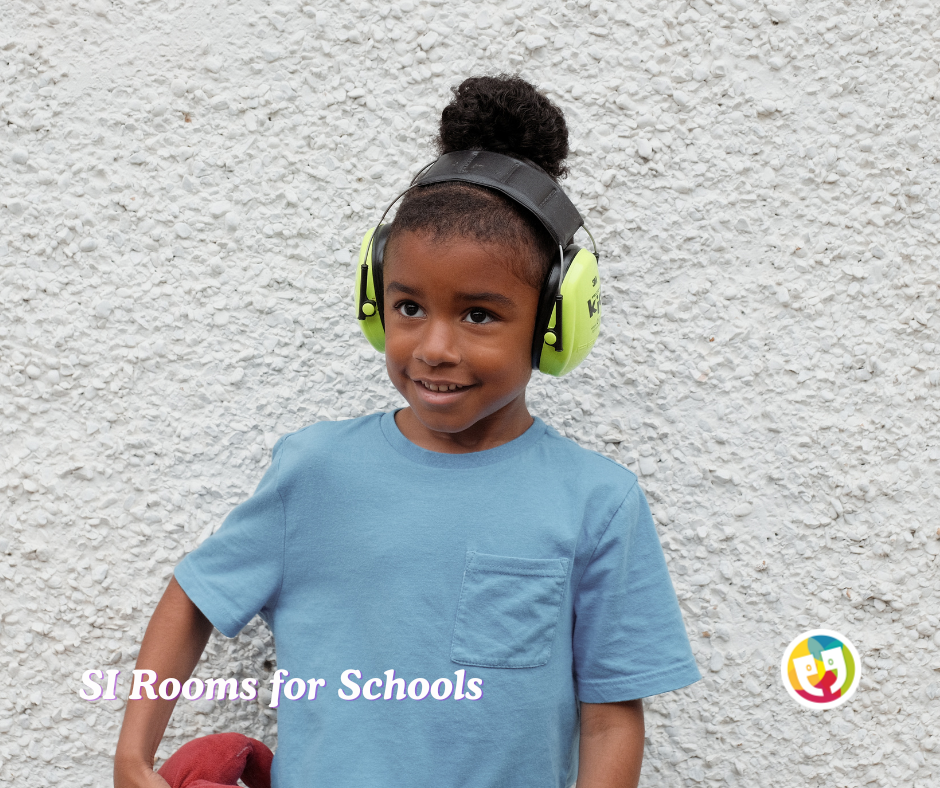
Reduces auditory overload and supports children who struggle in noisy environments.
Simple music player or tablet
Approx. £25–£40
Used for calming music or nature sounds to support regulation.
Proprioceptive and movement input
Resistance bands and theraputty
Approx. £15–£30
Buy from: https://www.tts-group.co.uk
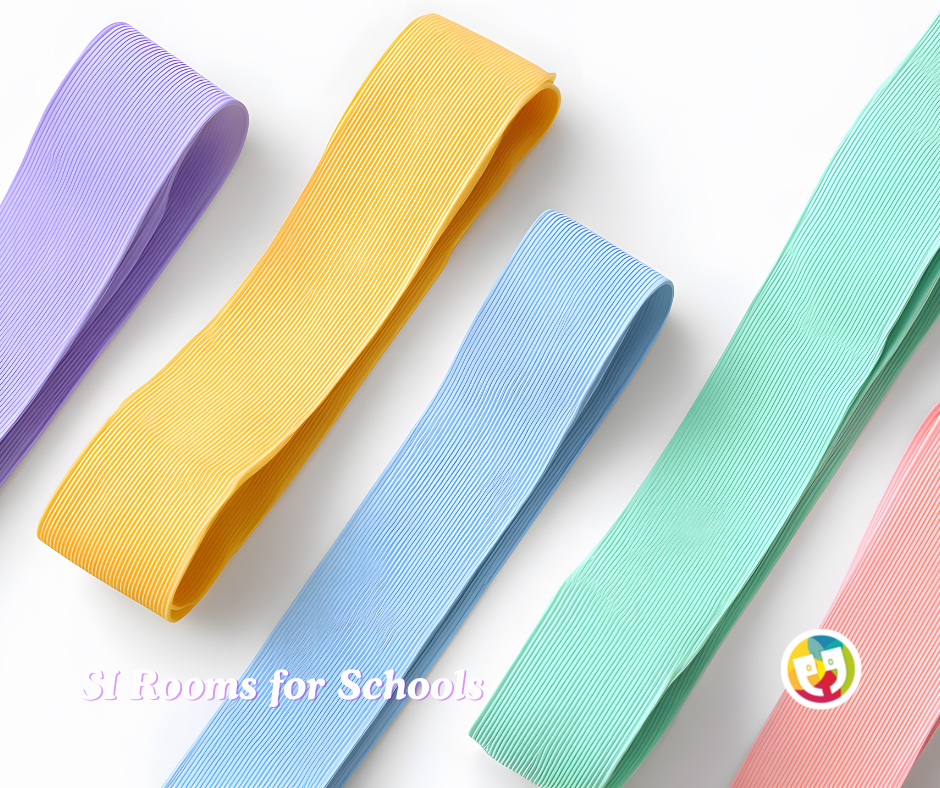
Provides deep pressure input to muscles and joints, supporting body awareness and regulation.
Air-filled wobble cushion
Approx. £20–£35
Buy from: https://www.tts-group.co.uk
Encourages gentle movement and postural engagement.
Estimated total spend: £400–£500
If you were given £1,000
Focus: zoning, durability, and long-term use
At this level, schools can begin to create intentional sensory zones and invest in equipment that supports consistent use across the school day.
Enhanced calming and visual zones
Wall-mounted or freestanding bubble tube (90–120cm)
Approx. £150–£280
Buy from: https://ee-supplies.co.uk

Provides highly regulating visual input and supports attention and calm.
Fibre optic strands or sprays
Approx. £90–£150
Buy from: https://www.sensorydirect.com

Encourages visual tracking and gentle tactile exploration.
Seating and comfort
Large sensory beanbag or lounger
Approx. £150–£270
Buy from: https://www.houseofplay.com
Supports deep pressure input and comfortable positioning for older pupils.
Auditory regulation
White noise or nature sound machine
Approx. £30–£60
Buy from: https://amzn.eu/d/cT9kmGf
Helps mask background noise and supports calm auditory input.
Proprioceptive and vestibular input
Large crash mats or thick floor mats
Approx. £60–£120
Buy from soft play or education suppliers
Supports safe movement, grounding, and body awareness.
Balance boards or wobble seating
Approx. £40–£100
Buy from: https://www.tts-group.co.uk
Encourages controlled movement and vestibular input.
Estimated total spend: £800–£1,000
Training and getting the most from your sensory room
Once budgets exceed £500, how the room is used becomes as important as what is inside it. Words First offers a 3-hour training course on designing and implementing sensory rooms in schools, delivered by SI-trained Occupational Therapists. This training supports staff to use the room consistently, safely, and effectively.
For schools starting from scratch, our Sensory Room Design and Implementation package combines planning, setup guidance, and training to ensure the space supports real outcomes for children and staff.
Note for SENCOs
A sensory room does not need to be expensive or complex to be effective. Start with calm, build with intention, and scale in line with your children’s needs and staff confidence.
About the Authors
Caron Vandecar
Clinical Lead Occupational Therapist
Caron qualified as an Occupational Therapist at the University of Cape Town in South Africa in 1998 and has completed postgraduate training in Sensory Integration and Neurodevelopmental Therapy. She has extensive experience working with children across a range of clinical and educational settings in South Africa and the UK. As a Clinical Lead Occupational Therapist, she provides clinical leadership and guidance to support high-quality sensory provision in schools.
Kim Elston
Clinical Lead Occupational Therapist
Kim qualified as an Occupational Therapist at the University of Cape Town in South Africa in 2001. She specialises in Paediatric Sensory Integration and completed her postgraduate qualification in Ayres Sensory Integration in 2012. With experience across the NHS, Social Services, and private practice, she supports schools to implement effective, evidence-informed sensory environments.


